Impactful Training Capsulized
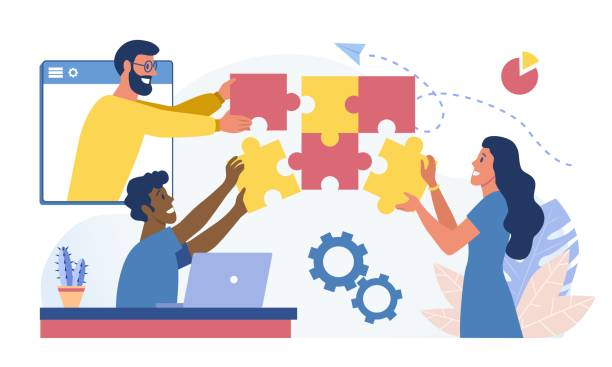
Another Netflix binge. Another hour shopping online. Another hour lost scrolling. After a challenging 2025 for so many of us, we’re looking for ways to use our time in a more constructive and fulfilling way. And what better way than taking classes to build new skills?
But who has the time to sit through weeks of coursework? Fortunately, there’s a highly effective – and proven – way to increase your knowledge and skill base without a huge time investment. Focused training broken down into micro series of capsulized learning is the answer.
Focused courses are an increasingly popular way to foster growth in a fraction of the time. Designed to upskill team members rapidly, these attentive training programs are flexible, practical and targeted. And they yield measurable outcomes, making them a worthy investment for organizations.
In a 2019 study, Gallup discovered that one of the most important factors in creating a high-performance workplace is cultivating a culture that values the growth of individuals. Gallup found organizations that made a strategic investment in employee development report 11% greater profitability and are twice as likely to retain their employees.
These manageable courses are not just an investment in your teams’ professional growth — they’re a commitment to your organization’s success. By fostering a culture of learning, you ensure everyone is ready to tackle future challenges. And if 2025 taught us anything, it’s that challenges can come at us quickly and fiercely!
Sound interesting? Leah M Joppy and Associates has created Impact60, a micro series of highly focused, skills-based courses covering a variety of leadership topics, such as Managing Compassion Fatigue, Foundation of Effective Communication, and Adapting to Change, to name a few. More impact in less time!
Learn more by calling us at 301-351-9523 or email us at leah@lmja.com.
Focused Training For Greater Retention
While the idea of skills-based development and training sounds so appealing and a worthy investment, what’s the one thing that holds us back? Time. We’re already being pulled in a thousand different directions and the prospect of adding something else, even though we know it could be incredibly beneficial, just doesn’t seem possible. So, we put it on the backburner or forget about it all together.
Fortunately, there is a solution and it comes in the form of short courses. And the benefits are numerous. This month, we’ll break down some of the biggest ones:
Teaches in less time, but with lots of impact
As we all know, time is a precious commodity, and capsulized courses meet the need for skills-based learning in a fraction of the time. Students often report higher levels of retention when courses are offered in smaller, focused ‘chunks’, rather than longer, drawn-out lessons.
Offers rapid skill acquisition
Short courses are designed to meet the needs of fast-moving organizations. They allow team members to acquire new skills quickly and start putting that knowledge to work right away.
Addresses skill gaps
Every organization has areas where skills are lacking. Every leader, both new and seasoned, has areas where they could use some support. Capsulized learning provides a practical solution to bridge these gaps in a format that doesn’t require a huge commitment of time and resources.
Boosts confidence
Learning new skills and knowledge can boost team members’ confidence and self-esteem, particularly those new to leadership roles. And it can have a positive impact on all aspects of a person’s life, not just work performance.
Ready to start putting the power of short courses to work for your organization? Leah M Joppy and Associates has created Impact60, a series of highly focused, skills-based courses covering a variety of leadership topics such as Leading From Where You Are, The 3 Drivers of Motivation, and many more. More impact in less time!
Call us at 301 -351-9523 or email us at leah@lmja.com to learn what we’re offering and how we can help your organization.
Reconnect With What Matters!

If you’ve felt like the past year has been an emotional roller coaster of uncertainty and anxiety, you’re not alone. As we get ready to flip the calendar, now’s an ideal time to reflect and reset with purpose. Setting goals for 2026 isn’t about reinventing yourself. It’s about reconnecting with what matters and building a plan that you will actually follow through on.
Set aside some time and really think about your habits, attitudes and well-being routine over the past months. Write down (or make a note in your phone) some points that you can continuously refer to when inspiration strikes.
First, let’s start by reflecting on where you are today. Here’s a few questions to get you started:
- What patterns do you notice in your current life?
- Which areas feel fulfilling?
- Which areas feel out of alignment?
Once you’ve taken a clear look at your life today, the next step is vision. Not just what you want to achieve, but how you want to feel and live. Here are some more questions to consider:
- What habits/routines/attitudes will you stop?
- What will you start?
- What will you continue to do?
Finally, choose one clear priority and write a SMART (Specific, Measurable, Achievable, Relevant and Time-Bound) goal around it.
- What progress could you make in the next 90 days that would feel meaningful?
- Which areas of life need the most attention right now?
Setting goals and making meaningful change can seem like an impossible feat when we feel like we can barely keep our heads above water. But you don’t have to do it alone. In our next article, we’ll look at why an accountability partner is an invaluable part of the process and sets you up for success. And that’s where working with a coach, like Leah M Joppy and Associates, can help.
Ready to shake off 2025 and walk into 2026 with a fresh perspective and strong action plan? Learn more by calling us at 301-670-0051 or email us at leah@lmja.com.
Effective Leadership During Crucial Times

Strong leadership within an organization is important under the best of circumstances, but in times of uncertainty, it’s absolutely essential. This year has really put leaders to the test, as they try to help team members navigate change while still attempting to get work done. But understanding the psychological and emotional impact of uncertainty on teams is crucial for effective leadership. It requires leaders to really sharpen their emotional intelligence skills and place a strong emphasis on support and communication.
Let’s take a look at some of the biggest obstacles facing team members right now:
- Stress and Anxiety: Uncertainty can lead to increased stress and anxiety among employees, affecting their mental well-being and productivity.
- Resistance to Change: Fear of the unknown and loss of control can cause a major resistance to change and make it challenging for leaders to introduce new projects, meets deadlines, etc.
- Decreased Morale and Engagement: Long periods of uncertainty can have a huge impact on morale and employee engagement, leading to reduced motivation and job satisfaction.
- Trust and Confidence Issues: A lack of clear communication and direction can cause distrust in leadership and strain confidence in the organization’s future.
- Adaptation Fatigue: A constant need to adjust can create burnout and fatigue.
This paints a bit of a dim picture, but every organization’s secret weapon during times of change is effective leadership. Leaders must act as pillars of support and rely on crucial traits like empathy, resilience and adaptability. Here are 4 top examples of how strong leadership can make all the difference when uncertainty is the norm:
- Provides clarity and direction: Strong leaders have a clear vision and strategy to deal with unpredictability and they know how to set and communicate priorities.
- Fosters Stability: We all know leaders who seem unflappable when the going gets tough. Those leaders create a sense of stability and security that trickles down throughout their team.
- Builds trust: Transparent, consistent and honest communication builds trust and loyalty within a team.
- Offers motivation and inspiration: When leaders show empathy and compassion, it builds team resilience and helps them persevere through challenging times.
- Promotes problem solving: Times of uncertainty can force organizations to think more creatively. The leaders who embrace this tend to foster greater innovation in the long term.
Leading through times of change requires an inspiring vision, clear communication and the ability to provide support. Fortunately, there are some essential habits and mindsets that can help leaders and their teams operate more effectively during these periods of uncertainty. . Leah M Joppy and Associates can help leaders by providing teambuilding opportunities during times of uncertainty. Learn more by calling us at 301-670-0051 or email us at leah@lmja.com. For a catalog of our services, please send an email to lmjainc@gmail.com.
Four Steps To Leading During Uncertain Times

During uncertain times, team members look to leaders for support and guidance to overcome the challenges thrown at them. It takes a strong leader to be adaptive, not just reactive, when it seems like every day brings a fresh set of changes. It can be particularly difficult for new leaders, who may be dealing with all of this for the first time. But even the most seasoned leaders can feel tested by everything that’s going on right now. How can managers continue to lead effectively and maintain a strong, reassuring presence?
In most cases, organizations that emerge more aligned and resilient have leaders who lean into these 4 principles: inform, guide, unite and connect. Here’s a closer look at each one:
Inform
As team members struggle to make sense of all the changes going on, they are particularly hungry for information and open communication. That’s why it’s important for leaders to communicate early and frequently. Honesty is crucial and leaders must be candid in acknowledging the unknowns. This helps create credibility, builds trust and helps squash catastrophic rumors that may be filtering through the office. Remember, it’s a leader’s job to help team members make sense of all of the uncertainty going on around them and what these changes mean for them. Empathy, patience and compassion go a long way.
Connect
Now more than ever, it’s important to cultivate trust with employees. Team members need to feel a connection and leaders who reach out and build an environment of support will be viewed as more credible and reassuring. Now’s the time for leaders to get out of the office and into the hallways. They need to reach out to employees on a personal level and give them opportunities to safely express their thoughts and emotions. Leaders also need to acknowledge that they’re affected by uncertainty and trying to navigate the changes. Everyone, including leaders, may need to seek out support—from friends, family members, mentors or a coach.
Guide
During periods of uncertainty, team members want strong leaders who are comfortable giving direction on what to do – and what not to do. Talking about long-term visions and strategies aren’t going to be very effective when people are bracing for more bad news or still trying to recover from previous upheaval. Leaders may find it helpful to keep things a little more basic and focus on shorter term goals and priorities. Now’s the time for steady guidance and providing as much stability as possible.
Unite
Uncertainty and change remind us of the importance of community. People naturally look to rally around what brings them together, such as shared values, meaningful purpose and knowing that they’re not alone. Leaders can help reinforce these feelings of belonging by celebrating their team’s contributions and resiliency. It sends a strong message of, “We’ve adapted to changes before, we’ll get through this and we’ll be stronger for it.”
Leaders at all levels are being tested by the uncertainty and changes in today’s environment. When you have to lead through stressful circumstances, you often don’t know what you’ll show up to—but as a leader you always choose how you’ll show up. Leah M Joppy and Associates can help leaders by providing teambuilding opportunities during times of uncertainty.
Learn more by calling us at 301-670-0051 or email us at leah@lmja.com. For a catalog of our services, please send an email to lmjainc@gmail.com.
Gen Z And Return To Office

The Return to Office mandate has been a challenge for so many workers, from navigating a long commute to finding affordable child care and managing family schedules. However, there’s a generation that started their career at the beginning of the pandemic and may only know work life as remote employees. For Gen Z and even younger Millennials, the return to office can be overwhelming. They may struggle with the cultural shift and find it difficult to adjust to office life norms that many of us take for granted. And it’s an issue that can’t be ignored in the hopes that younger workers will just “adjust”. By 2030, Gen Z is projected to make up about a third of the workforce and their needs and influence will only continue to impact the office.
Why is Gen Z struggling with returning to the office? After all, we’ve read reports that many of them feel lonely and isolated working remotely and crave in-person contact. Let’s take a look at 4 top challenges they’re facing:
- They’ve never experienced office norms. From in-person meetings to casual chats while getting a cup of coffee, this is all new to many younger workers. This also includes things that are often learned through direct experience (aka, the hidden language of the office), such as:
- Reading the tone of meetings and knowing how (and when) to speak up in groups
- How to deal with making mistakes and take accountability
- How to build visibility at work
- They’re used to autonomy: Working remotely forced many early-career employees to be self-starters and find their work rhythm and direction without a lot of external help or validation. Now, being watched and interrupted can feel distracting and even undermining. They may feel like they’re not trusted and start to become disengaged with the workplace.
- They’re feeling overwhelmed and overstimulated in the office: For a generation used to remote work, office life presents a whole new set of sensory overload: constant noise, lack of space, social anxiety. This can quickly lead to fatigue, a loss in productivity and burnout.
- They feel like they might be “misunderstood”: In a remote setting, the work spoke for itself. Now, it’s not just about productivity, but there’s pressure on younger workers to present themselves in a certain way. This can cause anxiety about being perceived as “antisocial”, “awkward” or “checked out”. They may fear that this could impact their career advancement.
If you’re struggling with the challenges of returning to the office full time and the stresses of life in general right now, working with a coach, like Leah M Joppy and Associates, can help. Coaching can provide a fresh perspective, goal setting and strategies to make this major life transition a little easier to handle. For managers, we can help you learn the most effective ways for managing the growing number of younger workers and dealing with the challenges they’re experiencing in the office.
To learn more, call us at 301-670-0051 or email us at leah@lmja.com.
Tips For Transitioning Gen Z Employees

For employees who were used to working in an office full time before the pandemic, the return to office mandate has been challenging enough. But imagine if you’d never really worked in an office environment before and started your career as a remote employee. For members of Gen Z, the return to the office can be daunting and intimidating. And for managers, it can create a whole new set of issues that they may not be used to dealing with.
Gen Z values transparency and inclusion, so the best way for managers to help ease the transition back to the office is to listen, communicate clearly and show empathetic leadership. Here are a few other suggestions to help:
- Don’t assume everyone knows how to work in an office environment: Many Gen Zs and even younger Millennials may not have experienced office norms, structure and everyday interactions. Leaders shouldn’t assume that something that seems simple is understood. For example:
- Clarify the basics: Where do people eat lunch? Is there a dress code? Is there a noise policy? To help answer these questions, consider creating a return to office guide and placing additional reminders throughout the office.
- Explain logistics upfront: Although things like booking a meeting may seem like common sense, the reality is that for many younger employees, they have questions. Don’t assume that things you may think are obvious are second nature for them. Clarifying office etiquette and making sure young employees feel comfortable asking questions goes a long way.
- Lead by example: Make curiosity part of the office culture in a non-judgmental way. If managers openly model asking questions and learning something new, others will follow.
- Create a detailed resource hub: Whether it’s a quick-start guide, detailed FAQ, or resource for casual questions, clear communication can greatly reduce uncertainty and embarrassment.
- Show them the value of being in the office: If younger workers spend their days in Zoom meetings and in-office work mimics what they were doing at home, you can expect disengagement and even “task masking” (a term for looking busy without actually doing any meaningful work). Look for ways to make the in-office experience more meaningful, such as:
- Provide mentorship opportunities: Offer formal and informal mentorship programs that pair Gen Z employees with experienced team members for learning and skill building.
- Foster a collaborative environment: Structure some office time around collaborative projects that require face-to-face interaction and feedback.
- Provide visibility to leadership: Gen Z values access to leadership for career growth. Providing this kind of give-and-take helps break down traditional hierarchies and makes younger workers feel more comfortable and engaged.
- Explain the “why”: Always clearly explain the reason behind in-office requirements or initiatives. Gen Z needs to understand how their contribution impacts the organization’s mission. Clearly explaining the reasons behind decisions and their role within the organization can have a huge impact.
Returning to the office full time is a big change and younger workers in particular may feel stressed, overwhelmed and have a hard time navigating it all. However, leaders with the right mindset and strategy can help ease the transition and manage the challenges that come with it. Leah M Joppy and Associates can work with you to face these hurdles head-on. Learn more by calling us at 301-670-0051 or email us at leah@lmja.com.
The Challenges Of Returning To Office

While chaos, layoffs and agency restructuring have dominated the headlines for months, there is a new day-to-day reality for many federal workers: the return to the office. It’s a reversal of the remote work schedule so many of us had become accustomed to. Where we once established a greater work/life balance, enjoyed a more flexible schedule and often had better focus, we’re now dealing with long commutes, cramped workspaces and shaky internet. It’s been a challenging time for so many and an upheaval in our routines and schedules. What are some of the biggest challenges that workers are experiencing? Here’s a look at some of the top areas:
- Challenges for working mothers: According to the Institute for Women’s Policy Research, 60% of women say job flexibility is a deciding factor in accepting employment. For many working mothers, the ability to work remotely at least a few days a week isn’t just a luxury, it’s essential. If flexibility is taken off the table, many women will choose to resign or look elsewhere for organizations that offer a better work/life balance. Federal data shows that women account for about 45% of the government workforce, far below the public sector’s 58%. The federal government could see a mass exit of experienced female professionals if this lack of flexibility continues.
- Challenges With Technology: A lot of remote workers felt their set up at home was better than what they had in the office. And many wonder why they need to be onsite for the same virtual meetings they were having at home, only with a more challenging internet connection. Remote work forced the widespread adoption of digital tools and technology to make communication, collaboration and productivity easier. Returning to the office can be challenging for employees who have become used to remote-friendly workflow and technology, particularly if they were onboarded as remote workers.
- Challenges With Office Culture: For some employees, going back to the office means a return to traditional office culture, stricter schedules and less autonomy. This may be a big shift from the more relaxed culture enjoyed during remote work.
- Challenges With Expenses: Working remotely saved many employees a lot of money, whether it was saving on commuting expenses to not having to spend as much money on lunches and a work wardrobe. Childcare and caregiving costs for aging parents can also be incredibly costly and a major source of stress for many workers.
At least some of these challenges probably sound familiar. And, unfortunately, many of them can’t be controlled. We can’t change the traffic on the Beltway or the crowds on the Metro. What we can do is focus on what we can control: how we react to situations, how we take care of ourselves and establishing new routines. We’ll cover that a little more in our next article.
It’s easy to write about these challenges. It’s harder to figure out how to handle them – either individually or as a group. If you’re struggling with the challenges of returning to the office full time and the stresses of life in general right now, working with a coach, like Leah M Joppy and Associates, can help. Coaching can provide a fresh perspective, goal setting and strategies to move from merely surviving to thriving. And not only can we help with coaching but we can also provide tailored workshops to help team members adjust to their new norm. Give us a call.
To learn more, call us at 301-670-0051 or email us at leah@lmja.com.
Finding Motivation In Trying Times

The stressors of the past several months have caused many of us to feel like we’re in fight or flight mode. Perhaps you’ve noticed that you’re having difficulty making decisions or having issues with your short-term memory. Or maybe you’re feeling numb and disassociated and have trouble finding motivation. All of these feelings are signs that you’re living in survival mode. It can be challenging dealing with the day-to-day, much less feel like you can plan for the future. You may feel ‘stuck’ and wonder how you can move forward and feel more like yourself.
There is no single way to get out of survival mode and different approaches work for different people. However, the first step is to acknowledge that you’re living in survival mode and that you’ve been coping for too long. Acknowledge how you’re feeling without putting on a brave front. Here are a few other ways to help move out of survival mode:
- Use some self-compassion – It all starts with giving yourself a break and talking to yourself in a kinder, gentler way. Ask yourself how you’d treat your best friend or your child if they were feeling this way and then apply that to yourself. It’s okay to struggle and you deserve to look after yourself.
- Take care of your health, both physically and mentally – For some, survival mode might look like binge-drinking and bad eating habits. But nurturing self-care looks like taking the time to do something each day that feeds your physical and mental wellbeing. It can be getting outside for a walk, eating more fruit and vegetables and less sugar or deleting social media apps on your phone.
- Build in some structure – If you’ve been in survival mode for a while, you’re probably struggling to plan and probably feel disorganized and disjointed. This is where building more structure into your day can help create a sense of order and calm. It can also help with some of the decision fatigue that tends to come with survival mode. It may be the last thing you feel able to do right now, but even a small amount can make a big difference.
- Acknowledge little ‘wins’ – Aiming for realistic and achievable goals, no matter how small, will help build confidence and provide some fuel to help you through this difficult time. What goal can you set for the day or the week? Think about how you’ll feel when you hit it.
- Figure out your triggers that are within your control – Make a list of things in your life outside of work that are triggering stress and identify ways to counteract that stress or limit your exposure to it. For example: Are you doom scrolling on social media and need to take a break? Are you checking your email more than you need to and can cut back? Is it time to turn off the news and do something more productive?
When you’re in survival mode, just remember: It’s okay not to be okay. Sometimes you need some extra support to feel like you’re moving forward and not stagnating. That’s where working with a coach, like Leah M Joppy and Associates can help. You can’t change what’s happening in the workplace, but you can find ways to feel less ‘stuck’ and able to plan for the future.
Call us at 301-670-0051 or email us at leah@lmja.com.
Living In Survival Mode

With everything going on in your work life right now, does it sometimes feel like you’re trying to walk through quick sand? Do you barely have the energy to make it through the day, often feeling on edge and exhausted? The cloud of uncertainty you’re living under right now may have caused a shift from feeling like you’re thriving to living in ‘survival mode’. And the symptoms you’re experiencing are a normal response to stress, not a reflection on your strength or capability as a person. It’s your body’s evolutionary response to danger and is meant to protect you in times of threat.
What Is ‘Survival Mode’?
You’ve probably heard the term before, but what exactly does ‘survival mode’ mean? When you’re in survival mode, your brain is focused on getting through challenges. It’s constantly on alert to protect you from threats and can stop you from resting or enjoying life. Survival mode can appear differently in different people. For some, it looks more like anxiety, and in others, flatness and depression. For example, if you have anxiety, you feel hypervigilant and on high alert. In those with constant low mood, lack of energy and feeling ‘flat’, the parasympathetic nervous system may be over-functioning. In both cases, the nervous system has become dysregulated in response to stress.
When you’re knee-deep in survival mode, particularly for a long period, it can be difficult to identify the symptoms. Here are 5 common signs to look for:
- Difficulty making decisions: When you’re in survival mode, even small decisions can feel overwhelming. Choices that used to be easy and straightforward, like deciding what to eat or what to wear, might feel challenging and even impossible at times.
- Feeling unmotivated: Activities and tasks that used to excite you might now feel draining or pointless. You may feel a general lack of motivation and may start feeling down on yourself for being ‘lazy’. But it’s far from it – it’s a sign that your mind and body need a break.
- Lack of focus and concentration: You may find it hard to concentrate on tasks or keep forgetting things. A lack of focus can happen when your brain is overloaded with stress and anxiety.
- Frequent mood swings and irritability: The constant tension and anxiety that comes with survival mode can make your mood change quickly and you might find yourself becoming irritated by small things that didn’t use to bother you.
- Inability to relax or unwind: Your mind might be racing constantly, making it difficult to enjoy downtime, hobbies or rest properly.
Persistent, unresolved stress is a key indicator of survival mode. It’s normal to feel stress from time to time, but if this stress doesn’t go away and starts affecting your daily life, it’s a sign you’re stuck in a survival state. Extended periods can have major impacts on everything from your physical health to your relationships and overall quality of life.
So many of us are facing unprecedented challenges in our work life, but feeling stuck in survival mode and unable to plan for the future doesn’t have to feel like your ‘new normal’. Working with a coach, like Leah M Joppy and Associates, provides a fresh perspective, goal setting and strategies to move from merely surviving to thriving. To learn more, call us at 301-670-0051 or email us at leah@lmja.com.