Challenges In The Workplace – How A Coach Can Help
 Over the past few years, we’ve all had to adjust to the virtual workplace and the challenges that came with it – from being interrupted on Zoom calls from a crying toddler to missing out on casual chit chat with your colleagues as you grab a morning coffee. Or perhaps you were hired during the pandemic and don’t really feel connected to your new team. Now that people are slowly returning to the workplace, many organizations are dealing with a whole new set of challenges. We’ve broken down the top 3 below:
- Office Etiquette: Let’s face it – we all developed some interesting habits while working at home, whether it’s living in pajamas, pacing around the house while on a phone call or leaving a pile of dirty dishes in the sink to deal with later. Clearly, this isn’t going to fly in a professional environment. Management needs to set guidelines when it comes to office etiquette and clearly communicate areas such as: respecting team members’ personal space, dress code, keeping workspaces clean and being mindful of voice level. Patience needs to be practiced as everyone readjusts to office life. It’s not fun, but managers must be ready to have conversations when/if issues arise.
- Communication: While some team members are returning to the office, many may be on a hybrid work schedule and others may continue working remotely. This can make communication challenging for even the most seasoned managers. Effective communication requires clarity, consistency and careful listening.
- Team Building: Returning to the office can be particularly difficult for employees who were on-boarded during the pandemic. The existing team may wonder, “Who are the new people? What role will they play within the team? What knowledge and skills do they bring to the group? Will they be a team player?” The new employees may feel like they’re truly part of the team and may not feel comfortable speaking up or asking questions.
How Working With a Coach Can Help
It’s easy to say “communicate more with your employees” or “set clear expectations”, but how do you get started when you’re already feeling overwhelmed? That’s where working with a coaching team like Leah M Joppy and Associates can help. Our popular Strengthsfinder assessment tool has helped organizations and team members learn so much about their core competencies, how to use them to their advantage and where to make improvements.
Participants who have taken this assessment develop a clear understanding of how to use their strengths to support and effectively communicate with team members, as well as work together to support agency mission and goals. This tool also identifies complementary strengths that enable team members to support each other in areas where they may not be as efficient. In addition, this self-awareness insight enables participants to:
- Better manage team and customer conflict
- Leverage individual strengths and communication styles to build cross-agency collaborative partnerships
- Maximize creativity
- Increase performance
Imagine what your organization could do armed with this kind of data! Contact Leah M Joppy and Associates at 301-670-0051 or email us at leah@lmja.com to learn more and get started.
Drivers Of Engagement
 According to recent research by Gallup, the percentage of engaged workers in the U.S. dropped in 2021 for the first time in a decade. The trend continued into 2022 with only 32% of full and part-time employees engaged and 17% actively disengaged. These lower levels of engagement have certainly fueled “The Great Resignation” with workers looking for more meaningful work, greater flexibility and increased work-life balance. Employee engagement is a topic that organizations can no longer push under the rug, but need to examine more closely and determine what’s working and what isn’t.
Let’s start by defining employee engagement. In a nutshell, it’s the measure of how involved and enthusiastic your team members are about coming to work every day. It’s their emotional commitment to your organization, including the mission, core values and vision. Here’s what engaged employees look like:
- They’re proud of where they work and typically happy with their job, manager and company culture
- They intend to stay with an organization
- They would recommend their workplace to others
- They’re actively interested in their job and support and encourage fellow team members
Now that we know what employee engagement is, what are some of the top drivers of engagement? Most of us would say compensation, and while it certainly plays a role, it’s not the most important factor. Here’s a look at the top 5:
- Strong leadership: One of the biggest discoveries from Gallup’s employee engagement research is that managers or team leaders alone account for 70% of the variance in team engagement. That’s quite a percentage! Strong leadership truly matters.
- Caring organizational culture: Like strong leadership, an organization’s culture plays a prominent role in how team members feel about their job. Helping team members feel that the work they’re doing is essential for the success of the organization will create a positive employee experience. A culture that emphasizes work/life balance and employee wellness (just to name a few), goes a long way in boosting engagement.
- Meaningful work: Everyone wants to feel like their work means something and has a purpose. It boosts enthusiasm, productivity and connection. It’s also a major driver of employee retention.
- Professional growth opportunities: Research shows that employees are much more likely to be engaged in jobs with organizations that make learning and professional development part of their culture. Fostering personal growth opportunities helps employees achieve their personal goals and leads to greater satisfaction and dedication.
- Regular feedback and recognition: Having a consistent system of feedback within an organization is one of the best ways to build strong communication. In organizations that emphasize feedback as an important part of their culture, employees receive regular, helpful feedback from direct supervisors and are encouraged to provide meaningful feedback to co-workers and leadership. It’s truly a two-way street.
As you read this list, think about your organization. Do you feel like you’re hitting the mark on all five? Or maybe you notice weak spots and see room for improvement. Working with a coach, like Leah M Joppy and Associates, can help. We collaborate with you to look at areas where engagement is low, establish where improvements can be made and come up creative solutions that will increase team members’ engagement and morale.
There’s no better time than the present to get started! Team members want more than a good paycheck and a warm, fuzzy feeling to feel invested in their work and contribute their best to an organization. Call us at 301-670-0051 or email us at leah@lmja.com
Drivers Of Disengagement
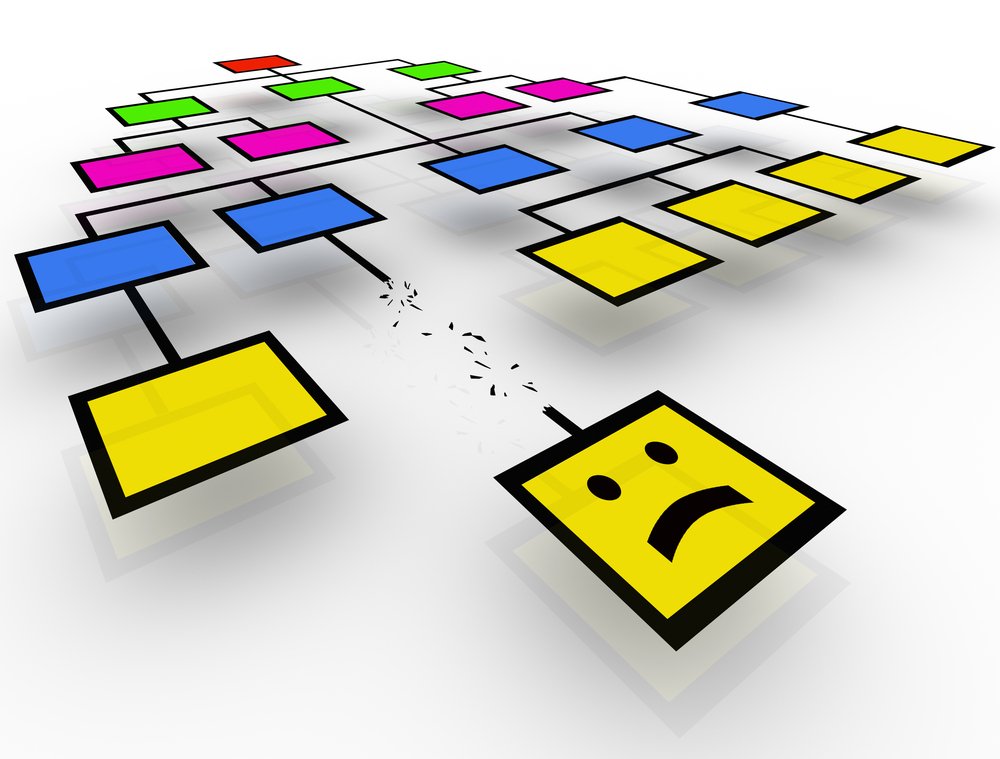 Are there any leaders out there who haven’t encountered employee disengagement at one point or another? If you’re in a management position, you can probably recall at least a few instances. If not, you’re either extremely fortunate or you may not know the signs to watch out for. Disengagement can rear its head in a variety of forms. For example, team members can feel out of the loop in terms of communication and resources or they may be struggling with work/life balance. They may also feel discouraged by a lack of company culture or difficulty collaborating with team members.
In our last article, we looked at the top 5 drivers of employee engagement. But what are some of the red flags to watch out for when it comes to employee disengagement? Here are a few examples of an unengaged team member:
- Withdrawal from any non-necessary activities or conversations
- Poor communication and lack of participation
- Breaks from routine (i.e.: a typically vocal person no longer speaks up in meetings, a punctual person is chronically late or misses deadlines)
- Apathetic approach to meetings, projects, communication, etc.
- Rudeness and curtness with coworkers and clients
What’s the common denominator? It’s a change in behavior that lasts for a prolonged period of time.
With all of the challenges leaders are facing in today’s workplace, problems with disengaged employees can sneak up quickly and snowball into major issues. That’s where Leah M Joppy and Associates can help. We can get to the root causes of WHY team members are feeling disengaged and work with you to come up with ideas to address these problems quickly.
When it comes to employee disengagement, it’s so important to look for solutions right away, rather than wait until productivity declines and turnover increases. Call us at 301-670-0051 or email us at leah@lmja.com and let’s start tackling any disengagement issues now!
Burnout For Organizations
 Burnout. It’s something no one wants to feel and it’s an issue that no organization wants to experience. But increased levels of employee burnout are becoming more common across every industry and not just the ones we think of most, like healthcare and teaching. Many organizations think of burnout as an “individual problem,” solvable by an employee just taking the afternoon off or practicing some breathing techniques. Wrong! It affects your organization at every level and has a negative impact by decreasing morale and increasing turnover.
According to the World Health Organization, burnout is a syndrome resulting from workplace stress that has not been successfully managed. It’s characterized by three dimensions: feelings of energy depletion or exhaustion; increased mental distance from one’s job or feelings or negativism or cynicism related to one’s job; and reduced professional efficacy (World Health Organization, 2019). It’s incredibly costly for organizations. Consider these statistics: according to the American Psychological Association’s 2021 Work and Well-being Survey of nearly 1,500 U.S. workers, 79% of employees had experienced work-related stress in the month before the survey. Nearly 3 in 5 employees reported negative impacts of work-related stress, including lack of interest, motivation, or energy (26%) and lack of effort at work (19%). Meanwhile, 36% reported cognitive weariness, 32% reported emotional exhaustion, and 44% reported physical fatigue—a 38% increase since 2019.
It’s important to train managers to recognize the signs of burnout in team members and have a comprehensive plan in place to address underlying issues. Symptoms of burnout include:
- Decreased engagement and enthusiasm in work
- Increased absenteeism
- Decreased productivity
- Isolation
- Higher sensitivity to feedback
Employee burnout is one the most pressing challenges that organizations face today. Leaders need to know the prominent signs (as we outlined above) and how to work with team members on solutions that have a lasting impact. It’s no small task, but in the end, it’s a win-win for everyone. Leah M Joppy and Associates is ready to help your organization face any workforce burnout issues head-on before they become major problems. Call us at 301-670-0051 or email leah@lmja.com and let’s discuss your needs.
Ideas for Improving Psychological Safety
 Imagine a work environment where every team member feels comfortable sharing their opinions and ideas.
- An environment where people feel like they can learn from their mistakes and not humiliated.
- An environment where disagreements and open discussions are encouraged and not seen as a threat.
Perhaps you already work in an office like this and you probably feel grateful for it! However, if you’re like many, it could feel like a dream that will never come true. That’s because many organizations have difficulty developing and maintaining a strong sense of psychological safety for their team members. As we discussed in our last article, psychological safety is about being able to act and engage in a team without fear of negative consequences. It’s one of the strongest proven predictors of team effectiveness.
It takes great leadership and management to create psychological safety. But if you feel like it’s lacking in your organization, what are a few first steps you can take to improve it? Here are some ideas to get started:
- Practice accountability and lead by example: Leaders set the tone for an organization and are responsible for the psychological safety of the workplace. Leaders should be approachable, be open to opinions that differ from their own and be willing to acknowledge their own mistakes (just to name a few).
- Enhance communication skills: For example, ask team members directly for their thoughts and opinions. Encourage people to share by asking questions. Actively ask quieter individuals for their input. Also, practice active listening by leaving your phone on your desk during meetings and improving eye contact.
- Hone conflict resolution skills: No one likes to deal with conflict, but when you’re leading a team, it’s inevitable. If a team member humiliates or undermines others or prevents team members from speaking up, leaders have to be ready to intervene. Just one or two negative people can really put a damper on overall company culture.
- Foster open conversations with team members: It’s vital to pay attention to how your team operates. Do some people dominate during meetings? Are some more quiet and seem reluctant to participate? Make an effort to enable equal speaking time for everyone. A calm environment and perhaps some ice breakers are just a few ways to put everyone at ease. Team outings or even virtual hangouts can also provide an opportunity for team members to let their guard down and get to know each other better.
Saying you encourage your team to speak up and be candid is one thing, but creating a culture of trust is another. It takes care, consistency and a commitment to learning new behaviors, but the payoff is worth it! Fortunately, you don’t have to do it alone. Leah M. Joppy and Associates is ready to help with fresh ideas and strategies to help you increase psychological safety within your organization. Call us at 301-670-0051 or email us at leah@lmja.com and let’s start 2023 off on a productive note!
Psychological Meaningfulness
 Most of us spend the majority of our week at the office, yet how many of us find our job to be meaningful? It can feel like a pipe dream to find work that makes us feel fulfilled and motivated. And the numbers back this up: according to a study by Bates College and Gallup, over 80% of college-educated Americans aspire to meaningful work, yet less than 50% actually attain it. This isn’t good news for organizations, as a lack of employee engagement and perceived meaninglessness leads to decreased productivity, lower morale and greater turnover
I just recently completed a certification from Cornell University on Diversity, Equity and Inclusion. The course, taught by Professor Nishii, takes a deep dive into the issue of employee engagement and it’s three components. We examined psychological availability last month and this month we’re taking a look at the second component: psychological meaningfulness.
What Is Psychological Meaningfulness?
What do we mean by the term “psychological meaningfulness”? Organizational psychologist William Kahn, author of the 1990 study “Physical Conditions of Personal Engagement and Disengagement at Work”, defined it as “employees perceiving their role/task as meaningful, both to the organization and within the context of wider society, to justify their “full self” being deployed.” Team members feel motivated within their positions due to challenge, opportunities for autonomy and strong goals. They feel like they’re a part of something larger than themselves.
What Psychological Meaningfulness Looks Like – and Steps to Avoid
There is no one-size-fits-all approach to meaningful work. It differs from person to person and often changes as people age, go through periods of personal change and have various life experiences. But we can agree that once a sense of meaningfulness is found, it brings about a greater sense of pride and achievement, a feeling of fulfillment and a satisfaction in finding work that is absorbing and interesting. And while there’s no magic formula for creating meaningful positions, there are definite steps that organizations don’t want to take. Here are 6 of the most common mistakes:
- Failing to recognize and appreciate team members’ contributions
- Creating a disconnect between organization and personal values
- Treating team members unfairly
- Overriding team members’ judgment and making them feel disempowered
- Creating a disconnect between team members
- Putting team members in situations where they feel unsafe
Most organizations don’t know where to begin when it comes to helping their employees find more meaning in their positions and increase overall engagement. The typical “office perks” are often surface level and don’t delve into the root issues. That’s where Leah M Joppy and Associates can help. A fresh approach and perspective, combined with experience tackling all different types of employee disengagement issues is just what you need to start next year off on a positive note! Call us at 301-670-0051 or email us at leah@lmja.com today.
A Word For An Unsettled Environment
 Chances are, you’ve probably heard or read the acronym ‘VUCA’ (Volatility, Uncertainty, Complexity, Ambiguity) thrown around a time or two. It’s one of those buzz-worthy terms to describe the unsettled environment organizations have to deal with on a daily basis. And nothing has brought out VUCA more than the past few years, as organizations have dealt with unprecedented changes in day-to-day operations and had to pivot in unexpected ways.
The acronym ‘VUCA’ was first used in 1987 by the U.S Army War College to describe the unfortunate situation after the Cold War. The term later found its way into the business world and outlines four distinct challenges that leaders face:
Volatility: Challenges are unstable and unexpected. The duration of these challenges is unknown.
Uncertainty: The future is unpredictable. It’s nearly impossible to anticipate events and how they’ll unfold.
Complexity: Information is overwhelming and choosing a single right path is almost impossible. Challenges and their repercussions are more complex and harder to understand.
Ambiguity: Situations are vague and difficult to interpret.
In short, we’re living in a world that’s constantly changing and these changes, whether big or small, are happening faster and faster and in more unpredictable ways. Since we don’t have a crystal ball to see the future, the best way for an organization to be prepared is through strong leadership. As we saw over the past few years, change can be incredibly challenging for team members with people reacting to these changes in different ways. Skilled, prepared leaders are the key to meeting the challenges of VUCA head-on through:
- Maintaining strong lines of communication
- Keeping employees engaged
- Determining fresh and creative approaches to meet changes head-on
- Maintaining and growing productivity
And that’s just the start. It’s a tall order for even the most seasoned leader and one where they’ll need a strong level of support from upper management.
As much as we’d like to make time stand still for a bit and catch our breath, change and the challenges that accompany it, is inevitable. We don’t know exactly what changes are coming down the road, but working with a coach, like Leah M Joppy and Associates, can help your organization be prepared when they do happen. We can take a look at what challenges your organization has faced in the past, how your leadership team handled them, what worked and what didn’t. We can then work with you to improve approaches and develop creative and flexible solutions that will help make this VUCA world we’re living in a little more manageable.
Interested in learning more? Call us at 301-670-0051 or email leah@lmja.com.
Get The New Year Started Off Right. How to Reach Your Goals in 2022
 “Do you have a New Years resolution?” Once January hits, it’s a common question that strikes fear in the heart of many. The New Year means a fresh start, a clean slate. Yet, so many of us feel like we still haven’t reached our goals from last year, let alone ready to tackle what we want to achieve in 2022.
Each year, you start out motivated, enthusiastic and with the best intentions. You’ve identified a goal (or two) and this time, you’re REALLY going to put in the work, see it through, and accomplish your goal once and for all. Then “things” start to get in the way, like time, finances, and life. All those good intentions are replaced with excuses and, before you know it, that goal you set out to achieve seems impossible to accomplish.
How can you make this year different? It’s time to put pen to paper and outline what you hope to achieve. Writing out your goals is a great way to get all those ideas out of your head and into a format where you can break them down, tweak them and provide yourself with some accountability. Here are four key tips to get started:
1) Tackle Scary Thoughts and Acknowledge Your Fears. There’s an acronym for FEAR: False Evidence Appearing Real. Yes, your goal may seem scary and you start to doubt yourself. We’ve all experienced fear, but the key is to outline where your fears lie, what fears are true and what aren’t based in reality. Write down, “what’s the worst that could happen?” And then, “what’s the best that could happen?” When you come up with answers for each, you’ll see that the pros always outweigh the cons.
2) Break Down the Various Steps to Get There. Let’s say you want to save money to take your dream vacation. You break your goal down further and decide to start by saving $1,000 over the next three months. Now, here’s how you can break it down even more to make it actionable, remembering that you don’t have to tackle every task at once:
- Write down how much money you make each month after taxes
- Write down all the places that you spend money over the course of a month or several months
- Look at all the places you spend money and figure out where you can spend less – cut back on daily coffee runs, streaming services and other similar places
- Examine if there are any ways you could earn extra money over the next few months
3) Schedule Time to Work on Tasks. Scheduling each task is a great way to manage your list because you have a plan of when to tackle a little bit of your goal. Maybe it’s 15 minutes in the morning and you set a timer. Or pull out your calendar and write down a designated time. Put aside the “someday I’ll do it” and just accomplish one task. However small it may seem, the act of doing SOMETHING can build confidence and start to put a goal-achieving plan into action.
4) Make a Plan for When Life Gets In the Way. Life can throw you curve balls, but don’t let those challenges derail your goals. There’s power in planning for obstacles in advance. Having a contingency plan prevents frustration and enables you to keep moving forward.
There are so many things that can stop us from making our goals a reality. But with the right tools and mindset in place, we can calm the voices in our head saying we can’t do it and move towards meaningful change. Make 2022 the year that you accomplish your goals with the help of a coach who can listen, advise and help keep you accountable. Leah M. Joppy and Associates is ready to help! Call us at 301-670-0051 or email us at leah@lmja.com and let’s work together to make your goals a reality.
PLANNING FOR THE NEW YEAR
 What a long, strange ride it has been in the last few years! If the last few years have taught us one major lesson, it’s that plans can get derailed and we must be willing to adapt. They’ve also given us an opportunity to assess our way of doing business within a new framework. For example, what are some of the biggest lessons you’ve learned this past year? What are some of the biggest challenges facing your organization over the next year and beyond? What are your strengths and weaknesses to meet those challenges?
You may have already developed a strategic plan for the year, but if we’ve learned anything, it’s that plans can change quickly. That’s why it’s important to consider the following when drafting a plan for the next year:
- Embrace Reality: While we’re all ready for the pandemic to be over, we’re still going to be doing business differently for a while. You may want to keep some of the changes you made over the past year. Or based on what you’ve learned over the past several months, you may need to make additional plans based on existing conditions.
- Be Adaptable: Organizations that were able to pivot quickly when the pandemic began experienced less impact than those who struggled through the process. Flexible processes and adaptable strategies are your best course of action if things worsen before they improve.
- Make Your People A Top Priority: People are the core of your department and now, more than ever, you need to take care of them. This includes physical and mental health, as well as work-life balance. With so many people working from home, communication should be a priority. What’s worked well over the past several months? What areas could use improvement?
- Plan For The Unusual: A long-term strategy that includes various scenarios helps you navigate challenges. For example, additional equipment and tools for remote workers, plans for employees who may be out due to the coronavirus and workers who need flexibility due to school closures are all issues to consider.
Planning in advance is one way effective leaders avoid the stress of falling behind, particularly during times of uncertainty. Leah M. Joppy and Associates has worked with numerous firms to draft annual plans that align and inspire teams to reach their goals for the coming year – and beyond. Then we help you put it all into action. For more information, contact us at 301-670-0051 or email leah@lmja.com.
Pivoting To A New Way Of Business
 For the past year, the COVID-19 pandemic forced many workplaces to upend traditional office environments and pivot to a new way of doing business. These changes looked different across various industries, but one thing is certain: work life will never be the same again. Many of the workplace changes that became necessary because of the pandemic will likely impact the way we work for the long-term. This month and next, we’ll look at a few of the workplace trends you can expect to see. Here’s a look at 3 of the biggest:
- Continuation of remote work or moving towards a hybrid model: According to surveys from the IBM Institute of Business Value, 83% of people want to continue working from home in some capacity. Many organizations have seen the light and have determined that some degree of remote work can be a win-win for everyone. It’s a retention tool for present employees, as well as a recruitment perk for future talent.
- Bigger focus on employee wellbeing: The pandemic has required organizations to rethink what it means to have a healthy and safe workplace. Many are improving benefits related to employee mental and physical health, childcare and paid time off. Workspaces will be reimagined to maximize both safety and employee collaboration.
- Improving schedule flexibility: Prior to the pandemic, flexibility was seen as a perk. For many, it’s now a necessity. Employers are finally understanding the need to accommodate families who have school-aged children at home, particularly those who will continue with some form of online learning. After a year of working from home, many employees have grown accustomed to more flexible working hours and are going to be resistant to going back to more rigid hours. Now is the time to look at present policies and implementing changes to accommodate your team members.
Have you started thinking about how your workplace will look moving forward? Now is the time to rethink your old systems and habits and create a better environment for your team. Leah M. Joppy and Associates can help you take a look at your old ways of doing business and where you can make improvements – all while continuing to maximize productivity. Call us at 301-670-0051 or email leah@lmja.com.