Write Your Own Story
 So many of us are weary from the events of the last few years. Whether it’s a job loss, difficulties maneuvering the work from home/family life balance or the disappointment and loneliness that have accompanied the pandemic, we each have our own story about how these past few years have affected us. By now, everyone has a list of things they once took for granted but now miss or things they’ve grown to love during the period of staying at home.
According to a survey conducted by the National Research Group, approximately 90% of Americans say that the past few years have been a “good time to reflect on what’s important to them.” There’s also a renewed appreciation for “chatting” with our family and friends, as roughly 72% say our experience with the pandemic will have a positive impact on how we communicate in the future. And there’s newfound respect for a sometimes overlooked and underappreciated workforce in our country: grocery store workers, health care professionals, emergency responders – anyone we rely on for everyday life.
These are not small things, but rather a huge shift in how we view what’s important to us and how we spend our time. Perhaps family dinners and new traditions have become an area of focus. Others may have started a new health and wellness routine they’ve been putting off for years. And some people may have reduced the amount of material possessions in their homes, developed a new hobby or worked on learning a new professional skill. Whatever your story, these new priorities and insights truly matter!
When and if things begin to settle down, will you return to your old ways? Will you again focus on working crazy hours, money, material things or other areas of your life that were lacking in fulfillment? The big question is, what do you do with this appreciation of what really matters in life and make sure it continues after the world returns to “normal-ish”. Working with a coach is an ideal way to develop a plan with attainable goals, as well as have someone who will hold you accountable and keep you on track. Think of a coach as a partner for your future!
This past years have been far from easy. There’s been irritability, frustration, anger, and a major dose of cabin fever. But perhaps years from now, we’ll look back on it as an unexpected opportunity to really tune into what matters most in our lives and use that knowledge to create meaningful change. Whether these goals are personal or career-related, Leah M Joppy and Associates can work with you to bring them to fruition. Call us at 301-670-0051 or email leah@lmja.com to learn more.
Coaching To Expand Thinking
 When most of us face a challenge, our typical response is to fall back on the old ‘tried and true’ way of doing things. This is usually what we’ve learned has worked for us in the past. However, Oliver Wendell Holmes may have put it best when he said, “Man’s mind, once stretched by a new idea, never regains its original dimensions.” Now is an ideal time to take a look at how we think and how those thought patterns relate to our personal and professional development. Are you feeling stuck? Do you feel like your current way of thinking holds you back from your goals and living your best life? Over time, experiences and messages can ‘fix’ how you see yourself and result in negative emotions, quickness to give up, avoiding challenges and feelings of self-doubt. Fortunately, this doesn’t have to be the way you live your life.
Cultivating a Growth Mindset
What’s the difference between someone with a “growth” mindset and a “fixed” mindset? Those with a growth mindset understand that they can develop abilities and adapt them to different situations. They also understand that mistakes happen and they have a stronger sense of resilience as a result. A growth mindset is important because it can actually change what you strive for and what you see as success. The hand you’re dealt is just the starting point for development. Here are a few ways to get started down the growth mindset road:
- Acknowledge and embrace imperfections
- View challenges as opportunities
- Replace the word “failing” with the word “learning”
- Disassociate improvement from failure
- Value the process over the end result
- Place effort before talent
Expanding your thinking capacity and moving away from a fixed mindset can be challenging, but the rewards are limitless. When you change the way you look at things, the things you look at change. Leah M Joppy and Associates can help you assess your current ways of thinking and determine steps you can take to cultivate a mindset for growth. Call us at 301-670-0051 or email leah@lmja.com.
For more reasons why someone may decide to work with a coach, read this article.
PLANNING FOR THE NEW YEAR
 What a long, strange ride it has been in the last few years! If the last few years have taught us one major lesson, it’s that plans can get derailed and we must be willing to adapt. They’ve also given us an opportunity to assess our way of doing business within a new framework. For example, what are some of the biggest lessons you’ve learned this past year? What are some of the biggest challenges facing your organization over the next year and beyond? What are your strengths and weaknesses to meet those challenges?
You may have already developed a strategic plan for the year, but if we’ve learned anything, it’s that plans can change quickly. That’s why it’s important to consider the following when drafting a plan for the next year:
- Embrace Reality: While we’re all ready for the pandemic to be over, we’re still going to be doing business differently for a while. You may want to keep some of the changes you made over the past year. Or based on what you’ve learned over the past several months, you may need to make additional plans based on existing conditions.
- Be Adaptable: Organizations that were able to pivot quickly when the pandemic began experienced less impact than those who struggled through the process. Flexible processes and adaptable strategies are your best course of action if things worsen before they improve.
- Make Your People A Top Priority: People are the core of your department and now, more than ever, you need to take care of them. This includes physical and mental health, as well as work-life balance. With so many people working from home, communication should be a priority. What’s worked well over the past several months? What areas could use improvement?
- Plan For The Unusual: A long-term strategy that includes various scenarios helps you navigate challenges. For example, additional equipment and tools for remote workers, plans for employees who may be out due to the coronavirus and workers who need flexibility due to school closures are all issues to consider.
Planning in advance is one way effective leaders avoid the stress of falling behind, particularly during times of uncertainty. Leah M. Joppy and Associates has worked with numerous firms to draft annual plans that align and inspire teams to reach their goals for the coming year – and beyond. Then we help you put it all into action. For more information, contact us at 301-670-0051 or email leah@lmja.com.
Re-imagining How Work Is Done
 When we think about how our lives have changed over the past year, our work life is probably one area where we’ve felt the greatest impact. The pandemic forced many offices to adopt new ways of working in order to protect the safety and wellbeing of employees – and they had to do it virtually overnight. For many people, it meant working from home exclusively and the numbers prove it. According to a Gallup Poll, the percentage of Americans working in some form from home jumped from around 25% to more than 60% during the height of the pandemic. As more people are fully vaccinated and life begins to return to some sense of normalcy, many employees have started to return to the office. However, the future of traditional work life and workspace will likely be impacted for the foreseeable future.
Some employees are eager to return to the office and have face-to-face contact with others and enjoy post-work happy hours. Others have adjusted to working from home and don’t miss their long commute. Companies are realizing that there are advantages to both work from home and office time. That’s why the hybrid model where employees can work at least a few days from home may likely become the new norm. It’s one of several workplace trends that we’ll discuss in the next article.
There are a lot of questions businesses must answer about the role of the office moving forward. It differs across industries and there is no one-size-fits all approach. However, there are some universal steps organizations need to take to re-imagine how work is done:
- Decide how and where people work: Can some workers be fully remote? Does a hybrid remote model make more sense? Or does work need to take place on site?
- Redesign the workplace to correspond with company priorities: Looking at spacing issues between desks, meeting space, the airflow of the office and upgrading technology to collaborate with people working from home are just a few areas to consider.
- Look at the footprint of the office and resize creatively: Now is the time to take a fresh look at how much space is required and the location.
Across industries, leaders will use the lessons learned from the pandemic to reimagine how and where work gets done. Employees will demand it. Organizations must use this time to break from the old habits of the past and reinvent what a collaborative and productive work environment looks like moving forward. Creative and bold organizations will be the ones that meet the challenge and retain and attract employees.
Is your organization poised to make challenging workplace decisions that will create a better experience for your employees? Leah M Joppy and Associates is ready to help. Call us at 301-670-0051 or email leah@lmja.com to learn more.
EOY BUDGET NEEDS: POPULAR COURSES
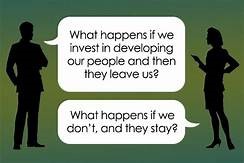 If you’re examining your EOY budget and have last minute money that needs to be spent, now is an ideal time to invest those dollars in your team. Looking back on the last year, can you identify areas that need improvement? Perhaps there was a conflict that could have been resolved more effectively? Maybe communication is an area that needs improvement? Or maybe you just want a jumpstart on strategic planning for the next year and how that may look during the COVID-19 pandemic. Fortunately, LMJA has a number of courses that have changed the way offices communicate, operate and deal with issues.
Here’s a look at four of our most popular courses and how they can be a great investment in the most important part of your department – your people:
- Effective Interpersonal Skills: Interpersonal skills are sometimes referred to as people skills, soft skills or emotional intelligence skills. Valuable interpersonal skills include: teamwork, leadership, empathy and active listening. In this course, we discuss verbal and non-verbal cues, why they matter and how to build strong interpersonal skills that will enhance both the harmony and productivity of your office.
- Conflict Management Skills: Problems can arise on any team and you will likely need to resolve conflict at some point in your job. Our course helps you develop conflict resolution skills, deal with constructive criticism and gain important counseling, mediating and problem-solving skills.
- Developing Inclusive Teams: While most managers believe having a diverse and inclusive work culture is critical to performance, they don’t always know the best ways to achieve that goal. Our course covers a broad range of topics, such as examining the culture of an organization, identifying current and potential problems and providing tools for change.
- Organizational Strategic Planning: Organizational strategic planning involves setting priorities, determining where to focus energy and resources, ensuring that employees are working towards common goals and much more. Our course helps you develop an effective strategic plan that clearly lays out where your organization is going, the actions needed to make progress and a blueprint for success.
If you have money left in your EOY budget to spend and are interested in making meaningful, long-lasting change in your department, Leah M. Joppy and Associates is ready to help. Many of our courses have been reformatted to deliver in a virtual format. We also have a half-day course delivery option. Whether you’re a novice or a pro, our excellent course producer ensures a smooth delivery of our virtual courses. Call us at 301-670-0051 or email us at leah@lmja.com.
EFFECTIVE TEAMS
 Building and maintaining an effective team is not something you should think about in between all of your other day-to-day activities. Projects come and go, but the teams behind them drive the results. Leaders play an important role in team development, from facilitating communication to mediating conflict to setting standards for accountability. But all too often, it’s easy to forget to check in and make sure teams are running smoothly and efficiently. The beginning of a new year is a great time to step back and take a look at what’s working, what’s not and make necessary changes. To do so, let’s take a look at a few characteristics of effective teams:
- Having a common goal and shared objectives
- Creating a positive environment around the objectives
- Maintaining open communication
- Establishing clearly defined team roles
- Focusing on time management in order to meet deadlines
- Implementing practical problem solving tactics
- Encouraging differences in opinions and not suppressing alternative ideas
You can have all of the checkpoints listed above, but the foundation of any effective team is trust. Team members need to know that everyone will deliver on their promises, support shared goals and maintain open communication. Patience, transparency and providing mutual feedback are a few ways to cultivate trust. Team building exercises and problem-solving activities are also effective ways to build team trust.
Effective teams are the foundation of every successful organization. If you feel like your teams could use some help in the New Year, Leah M. Joppy and Associates can help. We’ve helped a wide variety of organizations assess their current team structure, determine where changes can be made and develop a course of action to get everyone on the same page. We also specialize in team building activities that promote bonding and trust. For more information, contact us at 301-670-0051 or email leah@lmja.com.
Strategic Planning For The New Year
 Like most of us, you’re probably consumed with all the holiday hoopla right now and finishing out the current year on a strong note. But don’t forget that 2020 is just around the corner and you can’t put off strategizing for the New Year. Now it the time to clarify your goals for next year and beyond, think about how you can meet those goals and when you should meet with your team to get everyone on board.
You can make an argument that your annual strategic planning session is one of the most important things you’ll do all year. It’s a chance to move your team’s long-term strategic goals forward and make sure you’re all on the same page. It gives you an opportunity to step back and look at the bigger picture. For example, what are some of the biggest challenges facing your department over the next year and beyond? What your strengths and weaknesses to meet those challenges?
No pressure, right? Strategic planning takes effort and preparation, but it doesn’t have to become a stressful exercise. Here are a few steps to get the ball rolling:
- Define your department’s vision: This is the first and most critical step in creating a long-term plan. This statement should answer the key questions that drive your department. Where are you headed? Where do you want to be? Get it down on paper!
- Establish short-term goals: This should include everything you want to achieve over the next 12-36 months. Remember to keep them “S.M.A.R.T.” (specific, measurable, actionable, reasonable and timely).
- Outline your strategies and create an action plan: Strategies are the steps you’ll take to meet your short-term goals. Your action plan is all about the specifics – what you’re doing, when you’ll do it, what resources are needed, etc.
- Review and modify on a regular basis: Don’t create a strategic plan and leave it at that. Check in regularly to make sure you’re progressing toward your goals. Foster strong communication with your team to ensure everyone understands your direction and what they should be doing to achieve strategic goals.
Planning in advance is one way effective leaders avoid the stress of being behind the eight ball. Leah M. Joppy and Associates has worked numerous firms to draft annual plans that align and inspire teams to reach their goals for the coming year – and beyond. Then we help you put it all into action. For more information, contact us at 301-670-0051 or email leah@lmja.com.
Coaching For High Level Administrative Staff
 If you’re in a high-level administrative position, you’re used to wearing a lot of hats. From handling a wide variety of day-to-day duties to dealing with all types of personalities, it’s a job that requires a lot of knowledge and flexibility. Plus, you’re expected to do it all with a smile on your face and a “can do” attitude. High-level administrative positions can be extremely demanding and can sometimes lead to high stress levels and burnout. Here are some of the common challenges people in these positions face:
Challenge 1: Maintaining a work/life balance
Challenge 2: Dealing with difficult people
Challenge 3: Ensuring proper communication strategies are in place and making sure they’re followed
Challenge 4: Feeling disrespected and blamed for anything that goes wrong
Challenge 5: Feeling like you need to be available 24/7
If you’re an executive assistant, maybe some of these challenges sound familiar to you. And maybe you’re ready to make some changes that will help you both in your job and outside the office. That’s where a life coach can work with you and provide valuable perspective. By assessing the unique challenges you face in your position, a life coach can help you develop a detailed action plan with clear and specific expectations. Some of the outcomes from working with a life coach include:
- Building a stronger partnership with your manager(s)
- Establishing stronger boundaries
- Improving communication and streamlining processes
- Increasing productivity and feeling more focused dealing with day-to-day tasks
- Reducing stress and enjoying your job (and life!) more
If you’re starting to feel the burnout that often accompanies high-level administrative positions and want to make some meaningful life changes, Leah M. Joppy and Associates is ready to help. Call us at 301-670-0051 or email us at leah@lmja.com.
Need more reasons for choosing to work with a coach? Learn more.
End Of Year Budget Needs – Popular Courses (Part 2)
 If your EOY budget still contains money that needs to be spent, you may be thinking about what to do with those extra dollars. Investing them in your team is something that will pay off for years to come! Last month, we focused on two of our most popular courses that have helped departments deal with conflict and develop effective interpersonal skills. Here’s a look at two more of our most sought-after courses that we’re focusing on this month:
Developing Inclusive Teams: According to studies on the subject, leaders who create an inclusive culture for their team see performance increase by 17 percent, as well as increases in collaboration and decision-making quality. While most managers believe having a diverse and inclusive work culture is critical to performance, they don’t always know how to achieve that goal. Our course covers a broad range of topics, such as examining the culture of an organization, identifying current and potential problems and providing tangible tools for meaningful change. Each organization faces it’s own unique challenges when it comes to inclusivity and we work with you to build a customized course that will yield real results.
Organizational Strategic Planning: Organizational strategic planning is an incredibly important activity that covers a lot of bases. It involves setting priorities, determining where to focus energy and resources, ensuring that employees are working towards common goals and so much more. Our course helps you develop an effective strategic plan that clearly lays out where your organization is going, the actions needed to make progress and a blueprint for success.
If you have money left in your EOY budget to spend and are ready to invest it in your most important asset (your team!), Leah M. Joppy and Associates is ready to help! Call us at 301-670-0051 or email us at leah@lmja.com.
The Importance of a Cultural Assessment For Your Company
 For today’s businesses, building a successful corporate culture has become a significant way to maintain a competitive advantage and differentiate a brand. Your culture can be a unique means to attract talent and also motivate, engage, and retain employees. For the last few months, we’ve taken a look at cultural values, both in society and the workplace. We’ve discussed what values are and why they’re so important. So, now you may be looking at your organization and thinking, “how do I define the culture in my particular office? And how do I take this culture and incorporate it into the day-to-day?” Conducting a cultural assessment is often what you need. It’s the first step in answering the question, “Is what we say we are, truly what we are?”
Conducting a cultural assessment includes reviewing the various components of culture, including environment, traditions, social relations, incentives, and values. Some of the following questions are examined: “Are employees happy in the space they’re in? Are workers communicative and social, both in person and online? Are the core values of the company filtering their way down to the employees in a clear manner? Are rewards offered through an employee reward system?” That’s just a sample of some of the areas that are explored. Through gaining this understanding, you can determine where gaps exist between the current state and the desired culture.
Often, organizations want or need to make changes, whether it’s shaping new behaviors, promoting new ways of thinking, or developing a culture of education to develop employees. However, the key to changing a company’s culture is a commitment from the leadership team. Leaders must understand why change is necessary and have a clear vision for making those changes. They must also be willing to change their own behaviors and actions!
I use the Barrett Values Center assessment tool to conduct cultural assessments for my clients. I find it to be the most comprehensive tool for understanding the current state of an organization’s culture and determining where changes are necessary. To learn more about the Barrett Values Center, visit their website as www.valuescentre.com. To schedule a time to discuss conducting a cultural assessment for your firm, call Leah M. Joppy and Associates at 301-670-0051 or email us at leah@lmja.com. Meaningful and sustainable change is possible.