Why Is It So Hard to Keep Our Goals?
 You start out motivated, enthusiastic, and with the best intentions. You’ve identified a goal (or two) and this time it’s going to be different. This time, you’re REALLY going to put in the work, see it through, and accomplish your goal once and for all. And then “things” start to get in the way, like time, finances, and life. All those good intentions are replaced with excuses and, before you know it, that goal you set out to achieve with such gusto seems impossible to accomplish.
No matter what goal you’re trying to reach – career, financial, health, or relationship – there are some common reasons why you’re throwing in the towel and accomplishing it. Several of them are listed below:
- Waiting to take action until you feel “ready.” If you’re waiting for the stars to be aligned and everything to be perfect, you may be waiting a long time.
- Putting your goals off until “someday.” So many of us “someday” ourselves right out of what we want to accomplish in life.
- Not making your goal a priority. Saying you want to make a change is one thing. Putting in the work to make it happen is quite another.
- Viewing mistakes as failure. People often think that a step backwards means it’s time to put on the breaks. But progress rarely comes in a straight line.
- Giving up before you see results. Results don’t always fall in line within the timeframe you imagined. Impatience can be big hurdle to change.
- Neglecting to anticipate the tough times and hurdles. Change isn’t easy and some days are harder than others. This can be a challenging lesson to learn.
- Falling victim to the “fear of success.” Yes, this is really a thing. Some people don’t always feel that they deserve or are worthy of success and can sabotage their progress.
When these fears and thoughts come up, a lot of people immediately see them as a stop sign and think it’s time to call it quits. But this time it can be different. By identifying the various roadblocks, you can view them as part of the process. You can face them, process them, and even welcome them. Best of all, you can overcome them and make 2019 the year you finally accomplish your goal(s). Leah M. Joppy and Associates can help. Call us at 301-670-0051 or email us at leah@lmja.com to discuss your needs.
The Importance Of A Strong Company Culture
 You’ve certainly come across articles with titles like “The 50 Best Places To Work” or “The Best Companies For Work-Life Balance.” And no doubt you’ve questioned, “what makes these work environments so special? You may even wonder how you can create a similar feel-good atmosphere in your workplace. It’s tempting to just add a ping pong table in the break room or offer free donuts on Fridays, but it’s so much more than a few perks here and there. It all comes down to one important component: company culture.
Last month we discussed cultural values as a whole and how they shape the beliefs and behaviors of communities. We spend so much of our time at work that the office becomes one of the most influential communities in our lives. The culture in the office is a huge component of happiness – or discontent. It’s the invisible maker or breaker of an organization. Company culture isn’t something that can be established down the road when you have more time on your hands. It’s something that requires thought, time, and effort – not to mention really listening to your employees.
The culture within an organization becomes its identity. It’s the values, traditions, and customs that an organization believes in and practices – not just to employees, but also to customers. Every business is different and there is no single rubric for the “right” culture. However, you do need a consistent and strong set of values in order to remain competitive. Here are 3 examples of why the culture within an organization is so important:
- It creates a perception of your brand in the marketplace.
- It helps you attract and retain the best talent
- It establishes a set of identity and values for your company
Too many organizations fail to realize that their culture matters and shouldn’t be dismissed as “fluffy stuff.” According to Deloitte research, 95% of workers value company culture more than compensation. How would you describe the culture in your office? Is it something you’ve never thought about and, if you have, is there room for improvement? We are currently conducting cultural value assessments for organizations and we’re ready to help you understand more about this important component to your workplace. Please call Leah M. Joppy and Associates at 301-670-0051 or email us at leah@lmja.com to learn more.
Create A Positive Workplace Culture
 There is nothing better than working for an organization that has a great culture. It makes waking up and going to work each morning so much better! We spend so many of our waking hours at work that it’s no surprise a positive workplace culture is so high on employees’ ‘must-have’ list. While the work may be demanding, your company culture should not add stress to the day-to-day. In fact, it should inspire, motivate, and elevate enthusiasm. It may sound like a lofty goal, but it is attainable. Here are a few ways organizations can create a positive workplace culture:
- Establish clear organizational core values that are communicated effectively and make employees feel involved
- Foster collaboration and open and honest communication
- Create an inclusive work environment where employees are valued and supported
- Create clear goals and rewards for employees
A positive workplace culture improves teamwork, raises morale, increases productivity and efficiency, and results in employees who want stay with your organization. But it all begins with strong leadership and the desire to look at what’s working and what’s not. A cultural values assessment evaluates where your company culture currently stands, what’s missing, and establishes a plan to make effective change. To discuss conducting a cultural value assessment for your organization, please call Leah M. Joppy and Associates at 301-670-0051 or email us at leah@lmja.com.
The Impact of Nonverbal Communication In The Workplace
 You’ve probably heard the familiar phrase, “it’s not what you say, but how you say it.” We’ve all been taught that good communication is the foundation of any successful relationship, whether personal or professional. But we may forget that it’s our nonverbal communication – our facial expressions, eye contact, gestures, posture, and tone of voice – that sometimes speaks the loudest.
Consider the following example: As a staff meeting begins, project manager Jack shuffles into the room. He pulls at the sleeves of his rumpled shirt and his shoulders sag. He does not make eye contact with anyone in the room and is absorbed in looking over his notes haphazardly scratched on notebook paper. When he does speak, it’s difficult to hear him. He awkwardly clears his throat as he says, “Good morning, everyone. This will only take about a half an hour, but I’m going to walk you through some of the changes we can expect on our current project and what it means for all of us.”
But it could also go something like this: Project manager Jack walks confidently in the room. He stands tall with his shoulders back. His shirt is wrinkle-free and tucked in and his appearance is neat and professional. He directs his eyes around the room and makes sure that everyone is acknowledged. His notes are neatly on the table, but he doesn’t look at them in favor of his audience. As he begins to speak, his voice is clear, confident, and loud enough for everyone to hear. He smiles as he says, “Good morning, everyone. This will only take about a half an hour, but I’m going to walk you through some of the changes we can expect on our current project and what it means for all of us.”
The same words were used, but a completely different impression was made. It’s not what Jack said, but how he said it that changed. Only his appearance, tone, and manner were different, yet his nonverbal communication had an enormous influence on his team. Which version of Jack would you trust the most? The shuffling, difficult-to-hear person who won’t look you in eye? Or the confident, articulate person who acknowledges everyone in the room? Research suggests that we are more likely to believe a poor argument explained to us in a convincing manner than one based on sound facts and logic, but presented by someone who sounds uninterested and uninformed. That’s the power of non-verbal communication.
Have you thought about the impact of nonverbal communication on your workplace? We can show you how to improve the way you and your team use nonverbal communication through a variety of fun team activities and exercises. Please call Leah M. Joppy and Associates at 301-670-0051 or email us at leah@lmja.com to learn more.
Types of Nonverbal Communication
 When we interact with others, we continuously give and receive wordless signals. All of these nonverbal behaviors – the way you listen, look, move, and react- send strong messages, some positive and others negative. In many instances, what you say and what you communicate through your body language may be two totally different things. When confronted with these mixed signals, your audience has to choose whether to believe your verbal or nonverbal message. Often, nonverbal communication is the winner because it’s a natural, unconscious language that conveys your true feelings and intentions.
If you want to become a better communicator, it’s important to become more sensitive to your own body language and nonverbal cues, in addition to those of others. And there are so many types of nonverbal communication! Here are a few examples:
Facial expressions: the look on our face can express countless emotions without saying a word.
Body movement and posture: perceptions of people are often affected by the way they sit, walk, stand, or hold their head.
Gestures: waving, pointing, and using our hands when we’re arguing or speaking animatedly can be easily misconstrued.
Eye contact: looking someone in the eye can communicate many things, including interest or even hostility.
Space: we all have a need for physical space, but the need differs based on the situation, the closeness of the relationship, and culture.
Voice tone and inflection: as mentioned in the last article, it’s not just what you say, it’s how you say it!
Nonverbal communication plays such an important role in the workplace. It tells people whether or not you care, if you’re being truthful, and how well you’re listening. For more information about the role nonverbal communication can play in your office, please call Leah M. Joppy and Associates at 301-670-0051 or email us at leah@lmja.com and let’s discuss some team activities!
The Pros and Cons of Task-Oriented and Relationship-Oriented Leadership
 Leadership styles vary from person to person and everyone has a different approach to providing direction, implementing plans, and motivating workers. Two of the most common styles are task-oriented and relationship-oriented leadership. Here’s a look at both styles and some of the pros and cons of each one.
Task-Oriented Management Style
Task-oriented leaders have several characteristics that ensure projects are completed in an efficient and timely manner. These managers typically create easy-to-follow schedules with clear requirements and deadlines. This type of leadership style is great for employees who need structure and struggle with time management. However, task oriented leadership can also lead to a lack of worker autonomy and creativity. Rigid structure and excessive task management can also diminish company culture and backfire for more self-motivated workers.
Relationship-Oriented Management Style
Relationship-oriented management focuses on employee relations and often makes workers feel energized because they feel appreciated for their work. Strong effort comes from people who feel like they’re making a difference and part of a company’s success. But some of the challenges of this leadership style include employees feeling overwhelmed and needing more direction. A lack of clarity may cause confusion when it comes to tasks and deadlines.
What’s the predominant communication style in your office? Do you feel like it’s working or could use some alterations? The key is to take the best parts of each management style and combine them to create your own unique leadership style. Please call Leah M. Joppy and Associates at 301-670-0051 or email us at leah@lmja.com and we can help!
How To Create A Positive Culture Within An Organization
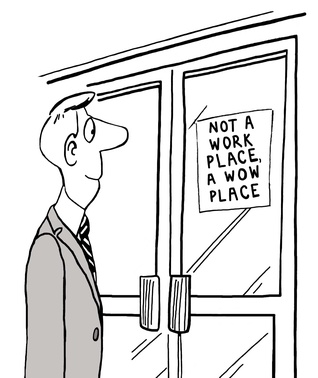 Glassdoor.com was founded in 2007 as a tool for workers looking to make career decisions. The website enabled both current and former employees to leave anonymous reviews of their workplace. Glassdoor still serves this function, but now it has become a key indicator of the cultural health of organizations. Other sites like LinkedIn and Indeed followed suit and encourage employees to share reviews and leave comments about the work atmosphere within their organization. “What is it like to work here?” is an incredibly important question for an organization. And look no further than your employees to answer it – after all, they’re putting in the hours day after day and place a premium on a positive work environment.
To create a positive culture within an organization, there needs to be a focus on the following:
- Allowing for more transparency
- Fostering an environment of kindness and compassion
- Resolving issues of blame and finger pointing
- Emphasizing meaningfulness of tasks
- Encouraging gratitude and respect
- Giving employees more independence and relying on their judgment
- Investing time and energy into employee growth
Not every employee will be 100% each day, but a positive workplace culture goes a long way towards overall happiness, greater levels of productivity, and ability to recruit top talent. What are your Glassdoor or Indeed reviews saying about your organization? Are there culture issues that need to addressed and room for improvement? Please call Leah M. Joppy and Associates at 301-670-0051 or email us at leah@lmja.com and let’s discuss a strategy.
Why A Positive Culture Is Important
 At some point in our lives, we’ve all had a job that made us dread getting out of bed in the morning. Whether it was unfulfilling work, an uninspiring and toxic atmosphere, micromanagement, or a combination of all three, there are few things worse than going into a work environment that you just can’t stand. On the flip side, when you find a workplace that feels like the right “fit” and it’s an atmosphere where you feel valued, challenged, and encouraged, it’s truly invigorating and inspiring. The culture of an organization is what makes the difference. It’s not a tangible element or a fixed asset, but rather the atmosphere – the environment, values, expectations, goals, and attitude of employees. Think of it as an organization’s personality! And it’s incredibly important for both employees and employers.
So, why should an organization focus on its “culture” or even care about it in the first place? It’s important because, no matter what your industry, organizations are made up of people. And people care about the environment where they’re spending the majority of their waking hours. Lack of attention to a positive culture can result in unhappy, unproductive, and potentially disloyal employees that will start costing your organization time and money. The benefits of a strong and positive culture include the following:
- Employee Retention and Productivity: Environments where employees feel comfortable, motivated, and valued as individuals enjoy a boost in morale, which leads to increased retention and productivity.
- Improved Communication and Teamwork: A positive workplace culture suggests an open atmosphere where workers feel comfortable and free to communicate their ideas or concerns without fear. Teams are built on respect for others’ ideas and lead to innovative problem solving.
- Reputation and Brand Image: Want to attract the highest level of talent to your organization? Look no further than cultivating a positive work culture. It differentiates you from the competition and builds a solid reputation that adds value to your products and/or services.
Managers and executives have a direct influence on their organization’s culture since they generally set the tone and expectations. How would you describe your organization’s culture? Are you making strides, but still have some areas that need improvement? Please call Leah M. Joppy and Associates at 301-670-0051 or email us at leah@lmja.com and we can help you cultivate a positive culture that will benefit everyone.
How To Find Passion In Your Work
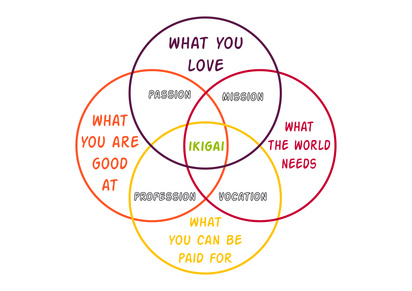 We spend the majority of our waking hours at work, but for many of us, not all of those hours are enjoyable. According to a Gallup study, only 32% of U.S. workers are engaged at work, meaning they are happy, driven, and enthusiastic about their careers. That leaves a large chunk that isn’t. Many people are working in jobs they once loved, but somewhere along the line, they lost the enthusiasm and passion they once had. Often, feelings of frustration and disengagement are the norm and people simply show up, put in the hours, and go home.
No matter what your career situation is, if you’re feeling tired of your job or dealing with burn out, there are things you can do to bring back that passion and enthusiasm again. A shift in perspective can be what it takes to get you back on track. Here are a few tips that can help you find enjoyment in your work again:
- Understand The Problem: The first step is to understand where the true problem lies. Ask yourself, “Once upon a time, did I enjoy my work? What changed along the way? Did I look at this job as a stepping stone and I’m still waiting for a better opportunity?” Write your thoughts down on paper or talk it over with a trusted friend to help pinpoint the problem.
- Set Goals and Stay Focused: Once you’ve identified the problem, you can establish goals and a plan to improve the situation. Whether it’s feeling like your job is not the right match for you or dealing with being overwhelmed and burnt out, determining an action plan can make you feel like you’re not “stuck”.
- Take Some Time Off: Many think it’s a ‘badge of honor’ to never or rarely use vacation time, but even the best job leads to burnout if you’re working around the clock. Vacation time is there for a reason – it gives you a chance to refresh, renew, and think about the big picture of what you’re doing and where you want to go
- Look for New Opportunities: Passion can certainly fade when you’re bored and doing the same thing day in and day out for too long. It may be time to start growing your skill set and seeking out opportunities that interest you, whether it’s asking to take on a new project or looking into additional training.
If you know that you fundamentally love your job, rediscovering your passion for it is possible by stepping back and thinking about your current situation. Often, it’s simply a matter of reevaluating your priorities. Do you notice a loss of passion and enthusiasm in your employees? Please call Leah M. Joppy and Associates at 301-670-0051 or email us at leah@lmja.com and we can work with your staff to help find them rediscover passion for their work.
The Importance of Passion In Your Work
 When it comes to your career, it’s important to ask yourself the question, “what lights me up?”. Not every waking moment at work is going to be ideal and we all know there will be good days and bad days. But do you feel an overall enthusiasm for your job even when times are tough? There is a positive impact of loving what you do and a negative impact when you feel like your career is out of whack. Passion for your career not only makes the many hours you spend at work more enjoyable, but it also helps you do your job better. Why is passion such an important component? Here are some of the benefits:
- Your have more energy for your job – and your life
- You feel more confident
- You’re less likely to “hit a wall” and can sustain your momentum
- Persistence against obstacles is easier to handle
- You enjoy the rest of your life more
For many people, when it comes to work, passion doesn’t even begin to enter into the realm of things. But it should and there are so many benefits, not only in increased productivity and work quality, but enjoyment outside the office. How can we help you put more passion and enthusiasm into your workplace? Please call Leah M. Joppy and Associates at 301-670-0051 or email us at leah@lmja.com and let’s discuss a strategy.