EOY BUDGET NEEDS: POPULAR COURSES

It’s been a long, strange year (to put it mildly!) and your team may be feeling the stress of working from home and isolation from the day-to-day routine of the office. It may feel more challenging than ever to communicate effectively with your staff and teamwork may be lacking right now. Or you may feel like you want to do strategic planning for the future, but it’s hard enough to just deal with daily tasks. LMJA has a number of courses that can help with the challenges you’re experiencing during the crazy year of 2020. Courses are now VIRTUAL.

Here’s a look at four of our most popular courses and how they can be a great investment in your team. These courses can be tailored for a half-day session. Courses can also be spread out into 2 half-day sessions. A variety of self-awareness assessments are used in all of our courses.

  • Effective Interpersonal Skills: Interpersonal skills are sometimes referred to as people skills, soft skills or emotional intelligence skills. Valuable interpersonal skills include: teamwork, leadership, empathy and active listening. In this course, we discuss verbal and non-verbal cues, why they matter and how to build strong interpersonal skills that will enhance both the harmony and productivity of your office.
  • Conflict Management Skills: Problems can arise on any team and you will likely need to resolve conflict at some point in your job. Our course helps you develop conflict resolution skills, deal with constructive criticism and gain important counseling, mediating and problem-solving skills.
  • Developing Inclusive Teams: While most managers believe having a diverse and inclusive work culture is critical to performance, they don’t always know the best ways to achieve that goal. Our course covers a broad range of topics, such as examining the culture of an organization, identifying current and potential problems and providing tools for change.
  • Organizational Strategic Planning: Organizational strategic planning involves setting priorities, determining where to focus energy and resources, ensuring that employees are working towards common goals and much more. Our course helps you develop an effective strategic plan that clearly lays out where your organization is going, the actions needed to make progress and a blueprint for success.

If you are interested in making meaningful, long-lasting change in your department, Leah M. Joppy and Associates is ready to help. Call us at 301-670-0051 or email us at leah@lmja.com.

LEADERSHIP COACHING

leadership coachingWe’ve all had at least one job where it felt like leadership was lacking. You probably remember what it was like – a lack of communication, no clear expectations or defining of roles and difficulty handling conflict. Add it all together and it makes for a less than pleasant work experience and likely one where you didn’t want to stay long-term. Strong leadership matters and it’s the backbone to every successful work team. Team leaders are responsible for more than just delegating tasks and monitoring employees’ progress. To be effective in this role, true leaders must understand each staff member’s overall goals, strengths and weaknesses and then use this information to build a strong team.

What do you need to do to be an effective leader? There are many lists out there outlining what it takes, but when it comes down to it, they all focus on these 6 core strengths:

  • Communication
  • Cultural Competence (the ability to work with people from other countries and cultures)
  • Flexibility
  • Vision
  • Empathy and Emotional Intelligence
  • Personal Skills (areas such as authenticity and trustworthiness)

When you look at your leadership style, how would you rate your strengths in these areas? Whether you’re new to a leadership role or been in the boss’s chair for years, it’s important to take a step back and look at how you’re leading your team. Frequent changes in focus and conflicting priorities can leave staff feeling stressed and anxious. That’s certainly not the environment you want. Working with a coach can help you identify areas where you need improvement, develop leadership skills that you can begin using immediately and learn techniques to develop a stronger, more cohesive team. The benefits are numerous: happier, more loyal employees, increased efficiency and greater productivity. And who doesn’t want that?

There are so many differences between being a boss and being a leader. Bosses command, while leaders influence. Bosses discipline, but leaders act as a mentor. That’s just the beginning. If you want to improve your leadership skills and be a team leader who inspires, Leah M. Joppy and Associates is ready to help. Call us at 301-670-0051 or email us at leah@lmja.com. And if you’re wondering if you should be working with a coach, check out our article on Why Should I Work With A Coach?

EOY BUDGET NEEDS: POPULAR COURSES

If you’re examining your EOY budget and have last minute money that needs to be spent, now is an ideal time to invest those dollars in your team. Looking back on the last year, can you identify areas that need improvement? Perhaps there was a conflict that could have been resolved more effectively? Maybe communication is an area that needs improvement? Or maybe you just want a jumpstart on strategic planning for the next year and how that may look during the COVID-19 pandemic. Fortunately, LMJA has a number of courses that have changed the way offices communicate, operate and deal with issues.

Here’s a look at four of our most popular courses and how they can be a great investment in the most important part of your department – your people:

  • Effective Interpersonal Skills: Interpersonal skills are sometimes referred to as people skills, soft skills or emotional intelligence skills. Valuable interpersonal skills include: teamwork, leadership, empathy and active listening. In this course, we discuss verbal and non-verbal cues, why they matter and how to build strong interpersonal skills that will enhance both the harmony and productivity of your office.
  • Conflict Management Skills: Problems can arise on any team and you will likely need to resolve conflict at some point in your job. Our course helps you develop conflict resolution skills, deal with constructive criticism and gain important counseling, mediating and problem-solving skills.
  • Developing Inclusive Teams: While most managers believe having a diverse and inclusive work culture is critical to performance, they don’t always know the best ways to achieve that goal. Our course covers a broad range of topics, such as examining the culture of an organization, identifying current and potential problems and providing tools for change.
  • Organizational Strategic Planning: Organizational strategic planning involves setting priorities, determining where to focus energy and resources, ensuring that employees are working towards common goals and much more. Our course helps you develop an effective strategic plan that clearly lays out where your organization is going, the actions needed to make progress and a blueprint for success.

If you have money left in your EOY budget to spend and are interested in making meaningful, long-lasting change in your department, Leah M. Joppy and Associates is ready to help. Many of our courses have been reformatted to deliver in a virtual format.  We also have a half-day course delivery option.  Whether you’re a novice or a pro, our excellent course producer ensures a smooth delivery of our virtual courses.   Call us at 301-670-0051 or email us at leah@lmja.com.

COACHING FOR HIGH LEVEL ADMIN STAFF

If you’re an executive assistant, does it feel like you make the impossible happen every single day? It’s a job that requires a lot of knowledge and flexibility, along with the ability to deal with all types of personalities. With the COVID-19 pandemic and all of the changes it’s brought to the workplace, you may be dealing with more stress now than ever and even starting to feel some burnout.

Executive assistants often feel like they need to put the needs of their managers and departments first. This can lead to a number of challenges, such as maintaining a work/life balance and feeling like you need to be available 24/7. What if you had someone in your corner who’s ready to listen to YOU and help you make changes both in your job and outside the office? By assessing the unique challenges you face in a high level administrative position, a life coach can work with you on the best ways to tackle tough situations and develop a clear and detailed plan of action. Best of all, you have someone who has your best interests at heart and is going to hold you accountable. Some of the outcomes from working with a life coach include:

  • Establishing stronger boundaries (this is big one!)
  • Building a stronger partnership with your manager(s)
  • Improving communication and streamlining processes
  • Increasing productivity and feeling more focused dealing with day-to-day tasks
  • Learning tips for practicing self care and making yourself a priority
  • Reducing stress and enjoying your job (and life!) more

Whether you’re new to an executive assistant position or if you’ve been at it for years, it’s always beneficial to take a step back, look at the big picture and examine what areas you’d like to work on both in and out of the office. If you’re ready to make some meaningful life changes and looking for a life coach that can help you through it all, Leah M. Joppy and Associates is ready to help. Call us at 301-670-0051 or email us at leah@lmja.com. And take a look at our article on Why Should I Work With A Coach?


Shifting Priorities During COVID-19 Pandemic Part 2

shifting prioritiesLast month, we looked at how the COVID-19 pandemic has caused many of us to reexamine our priorities and how we’ve been spending our time up to this point. We also delved into some simple suggestions to get started on making change: clarifying your values and priorities, incorporating those priorities into your life and beginning to shift your routines even while we’re in the midst of a lifestyle upheaval. Perhaps you’ve started to incorporate some of these ideas into your life. Or maybe you started with the best of intentions and now you’re feeling stuck and frustrated. Don’t worry and most of all, don’t be hard on yourself! Maintaining motivation, particularly during these unprecedented times, is challenging. Let’s take a closer look at what it takes to find motivation.

The Three Ds of Motivation

Simply put, motivation is the ability to initiate and persist at a task. Finding the motivation to change means maintaining consistent effort when it would be easier to give up. It begins with the three Ds:

  1. Direction: When you’re ready to make meaningful change, consider the different directions you can go in your life. You can continue with things as they are now, make drastic and immediate change or take things slower.
  2. Decision: Based on your three choices of direction, you decide which one is best for you and the type of change you’d like to make. None of the choices are right or wrong. They’re simply dependent on what works best for you and the amount of effort and time you’re willing to put into making those changes
  3. Dedication: Once you’ve made your decision, it’s time to go all-in. This is the step that determines whether your decision to make changes is a priority in your life and if those changes will be realized.

The difficult nature of making changes and staying motivated means that you will likely be putting in effort long after the point of it being fun and inspiring. It’s hard work, but you don’t have to go it alone. That’s where coaching comes in. Having a coach by your side means that you have someone who asks the difficult questions you may be avoiding, helps with the three Ds of motivation, holds you accountable, keeps you motivated during the tough times and celebrates your victories with you.

While we can’t anticipate and plan for everything in our lives, we can decide how, where and when to concentrate our energy. It requires some motivation and problem solving, but in the end it will lead to a more balanced and fulfilling life. Leah M Joppy and Associates is ready to help you on your journey to discover what your priorities and values will look like moving forward. Call us at 301-670-0051 or email leah@lmja.com to learn more.

COACHING FOR ANY LEVEL

Wherever you stand in your job right now (entry level to executive), chances are you’re wondering what the future holds in the next year or five years and beyond. Do you feel like you’ve reached your full potential or do you feel like there’s something better for you out there? Is your career in alignment with your values? Do you really like going to your job everyday? Working with a coach provides an opportunity to achieve both short-term and long-term career goals, as well as improvement in other areas. Here’s how it work for all career levels:

Coaching for Entry Level Employees: Maybe the enthusiasm you had when you started on your career path is beginning to wane. You might be wondering if there’s potential in your career or if you’ve even chosen the right field in the first place. Working with a coach provides guidance and accountability, as well as tools and strategies to help you build a fulfilling career that excites you.

Coaching for Middle Management: This is often the time where you can feel stuck and wondering if you’ve made the right career decision. You’ve invested a fair number of years in your present career, so would it make sense to make any big leaps now? Is there potential for more and how can it be achieved? Coaching delves into these areas and provides clarity and motivation for change.

Coaching for Executives: Executives face a number of challenges that make coaching an effective component to unlock leadership potential and hone leadership skills. It not only maximizes an executive’s skill set, but it also helps him/her develop stronger work teams. Coaches also look at other areas like building emotional intelligence, learning impactful communication skills and establishing a work/home balance.

Whether you’re just getting started or have been at your job for years, working with a coach can benefit you at any level. Here are some reasons why people seek a coach. Leah M. Joppy and Associates is ready to help you at any stage of your career. Call us at 301-670-0051 or email us at leah@lmja.com.

SHIFTING PRIORITIES DURING COVID-19 PANDEMIC

COVIDTo say that our lives have changed during the COVID-19 pandemic would be an understatement. While the last few months have resulted in some changes in habits (washing our hands frequently, disinfecting surfaces regularly, figuring out how to look “Zoom Ready” for meetings), we may also be experiencing a change in our priorities and reflecting on how we’ve been spending our time up to this point. When times change as they have in the past few months, we’re often challenged to realign how we’ve ordered our lives for years or maybe even our entire lives.

Like so many of us, you’re probably thinking about all the things you want to do once life starts to get back to some sense of normalcy: eat at your favorite restaurant, take a trip, spend time with family and friends. But there’s also another type of plan you can make – instead of planning what you’ll do, take some time to plan who you’ll be!

Clarify Your Values and Priorities: What do you want more of in your post-pandemic life? What can be sent to the backburner? One activity to pinpoint your personal value system is to think about the things you miss the most from your “normal” life and list the reasons why. Or on the flipside, what are some of the things you’ve enjoyed during the stay-at-home time and why? Perhaps you’ve enjoyed having family dinners at the table and know that you want less scheduled activities for your family moving forward.

Incorporate Your Priorities Into Your Life: Once you’ve clarified what matters to you, now’s the time to figure out what’s holding you back from incorporating more of those things into your life. If creativity is important to you, what stands between you and taking an art lesson, learning to play an instrument, etc.? Figuring out your values and priorities show you what you want more of in your life. The next step is determining what you need to eliminate from your routine to make room for them.

Start to Shift Your Routines: You may think it’s impossible to start making a change when life is so different right now. But there are ways that you can begin taking action. If you want to change the direction of your career, you can start taking classes to develop a needed skill set. You’ll have a much better chance of sticking with your values if you begin to practice them right now!

Have you noticed a shift in your priorities during these unprecedented times? Are you ready to use this time to make some meaningful changes in your life and start making your priorities a priority? Whether these goals are personal or career-related, Leah M Joppy and Associates can work with you to help bring them to fruition. Call us at 301-670-0051 or email leah@lmja.com to learn more.

LIFE COACHING FOR SINGLE WOMEN

Life coachingIf you’re a single woman, it can sometimes feel like you’re part of a forgotten group. And if you’re a single woman of a certain age, it can feel like that times a thousand. Gone are the days where single women feel like they need to get married in order to feel fulfilled. Yet popular culture so often portrays them as lonely, unhappy and looking for a partner. The ways single women see themselves versus how they’re stereotyped in our culture are vastly different! So, what’s the real story?

A 2018 study by creative marketing agency Hill Holliday and its market research company Origin sought to answer the question, “What do single women really want?” The answers offered a real life glimpse into their top priorities. Here’s a look:

  • The number-one priority of single women was living on their own. Nearly half (44 percent) said it was what mattered most to them.
  • Another top priority? Establishing a career. About one-third of single women (34 percent) listed their career over everything else.
  • The third most popular priority among single women was financial security with 27 percent of respondents saying it mattered most to them.

The study states that, “on the whole, today’s single women have a strong sense of self and reject the outdated notion that they’re missing out on all that life has to offer.” More proof? Here’s a look at some of the characteristics single women most often use to describe people like them:

  • Independent: 77%
  • Confident: 54%
  • Responsible: 49%
  • Ambitious: 43%
  • Strong-minded: 42%
  • Adventurous: 32%

Perhaps as a single woman you see yourself in the characteristics listed above, but you’re feeling like you could use some assistance in reaching out and grabbing all of the opportunities in front of you. That’s where coaching comes in. Leah M Joppy and Associates can work with you to help identify your priorities, create a realistic action plan and set you on a course for living the life you’ve always wanted. Call us at 301-670-0051 or email leah@lmja.com to learn more.

And please take the time to read our article on the reasons why people seek out a coach.

Mindfulness During Uncertain Times

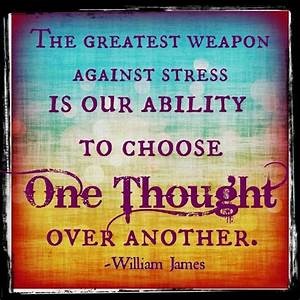
MindfulnessWith all of the uncertainty surrounding the COVID-19 pandemic, many of us are looking for ways to handle stress, stay focused and clear our minds a little. Between the constant stream of negative news, uncertainty and anxiety, it’s no wonder that our emotions are running the gamut right now. If you feel like you’re struggling to cope with it all, it may be the perfect time to learn a useful new skill: mindfulness.

You may have heard the term “mindfulness” thrown around, but what exactly is it and how can it help during times of crisis? Psychologist Jon Kabat-Zinn defines mindfulness as “paying attention in a particular way, on purpose, in the present moment and nonjudgmentally.” In short, to be mindful is to be purposeful about where you direct your attention. Instead of letting your thoughts run wild, you take a step back and become intentional about where you put your focus.

Mindfulness may sound simple, but it takes some getting used to if you’re new to the idea. As you practice moments of mindfulness on a regular basis, you will notice they come more naturally and easily to you. You’ll find it easier to take a few deep breaths and respond in a more patient and thoughtful way to a challenging person or situation. You’ll begin to slow down during particularly challenging parts of your day and not react to a problem hastily. You’ll be better able to focus. Best of all, you’ll become more aware of your thoughts in order to deal with the various stressors in your life.

So, how do you get started? Take a look at our next article on the basics of a mindfulness practice.


Basics Of A Mindfulness Practice

Mindfulness PracticePay attention to activities you do everyday. This is a great starting point. Pick an activity you do everyday, like brushing your teeth or taking a shower. Then, get in the habit of truly paying attention to what you’re doing. When your mind starts to wander, bring your attention back to the feel of your toothbrush on your teeth, the sensation of washing your hair, etc.

Set aside some time and space. You don’t need a special mat or equipment, but you do need a peaceful, quiet area (if only for a few minutes!). You also need to allow yourself some time (again, if only for a few minutes!). Some people set a reminder on their phone to take breaks throughout the day.

Pay attention to your breathing. Breathing is a key mindfulness practice. It’s something we do naturally and it’s a good way to bring our awareness back to the present moment. Just taking three or four deep breaths while paying attention to them can help you calm down and improve focus.

Ground yourself physically. Sometimes concentrating on your breathing isn’t enough. In that case, concentrate on how the chair or floor feels under your body. Or put your hands on a table and notice how the surface feels. Other people enjoy running their fingers across an object like a stone. Any of these types of actions bring awareness of the present.

We are all dealing with different stressors due to the COVID-19 pandemic. For some, work responsibilities are greater right now and it’s difficult to juggle professional and personal duties. For others, work has slowed down or stopped and the anxiety of remaining productive and dealing with uncertainty can feel paralyzing. Research has shown that practicing mindfulness reduces activity in the part of your brain called the amygdala. The amygdala is central to switching on your stress response, so by practicing mindfulness, you’re reducing your background level of stress. And who doesn’t need a little of that right now?

Mindfulness takes practice, but the effort is well worth the reward! Leah M Joppy and Associates has been conducting webinars focusing on strategies we can all use to get through these challenging times. We can tailor a webinar that focuses on mindfulness practices, stress reduction and more. How can we help you? Call us at 301-670-0051 or email leah@lmja.com to learn more.